In the realm of home and commercial water heating systems, recognizing the signs that indicate a need for immediate upgrade is crucial. As demand for hot water increases—whether help with no hot water situation due to growing family sizes, new appliances, or changes in lifestyle—your existing system may struggle to keep pace. An outdated or malfunctioning water heater can lead to significant inconveniences, increased energy bills, and even costly repairs. Understanding when to upgrade your hot water tank can save you from these issues and ensure that your hot water needs are consistently met.
Increased Hot Water Demand
One of the most apparent signs that it might be time for an upgrade is a noticeable increase in your household's hot water demand. This can stem from various factors such as:
- Growing Family: If you've welcomed new family members or are frequently hosting guests, your current system may not provide sufficient hot water. New Appliances: The introduction of appliances like dishwashers and washing machines that require hot water can strain an undersized system. Lifestyle Changes: Changes in daily routines, such as more frequent showers or longer bathing times, can quickly deplete available hot water.
If you find yourself frequently running out of hot water or having to wait for it to recover after use, it's a clear signal that your current setup may no longer be adequate.
Age of Your Water Heater
The age of your hot water tank plays a significant role in its efficiency and reliability. Most conventional tank-style heaters have a lifespan of about 8 to 12 years. If yours is approaching this age range or older, consider evaluating its performance closely.
Older units often experience reduced efficiency, meaning they consume more energy to produce the same amount of hot water. This not only leads to higher utility bills but also increases the likelihood of breakdowns. Regular maintenance can extend life expectancy somewhat; however, once a unit surpasses its prime years, replacement is often the best course of action.
Frequent Repairs
Do you find yourself calling for professional water heater repair services more often than you'd like? Frequent issues such as leaks, inconsistent temperatures, or pilot light problems are red flags indicating that your heater is nearing the end of its life cycle.
For instance, if you have had to replace components like heating elements or thermostats multiple times in a short span, it might be more cost-effective to invest in a new unit rather than continuing with repairs. Each service call adds up and could represent money better spent on an energy-efficient model that will save you in the long run.
Temperature Inconsistencies
Another telling sign is experiencing unexpected fluctuations in your hot water temperature. If you notice that your water heater is not heating efficiently—leading to lukewarm showers or inconsistent temperatures across different taps—it could indicate sediment buildup within the tank or failing components.
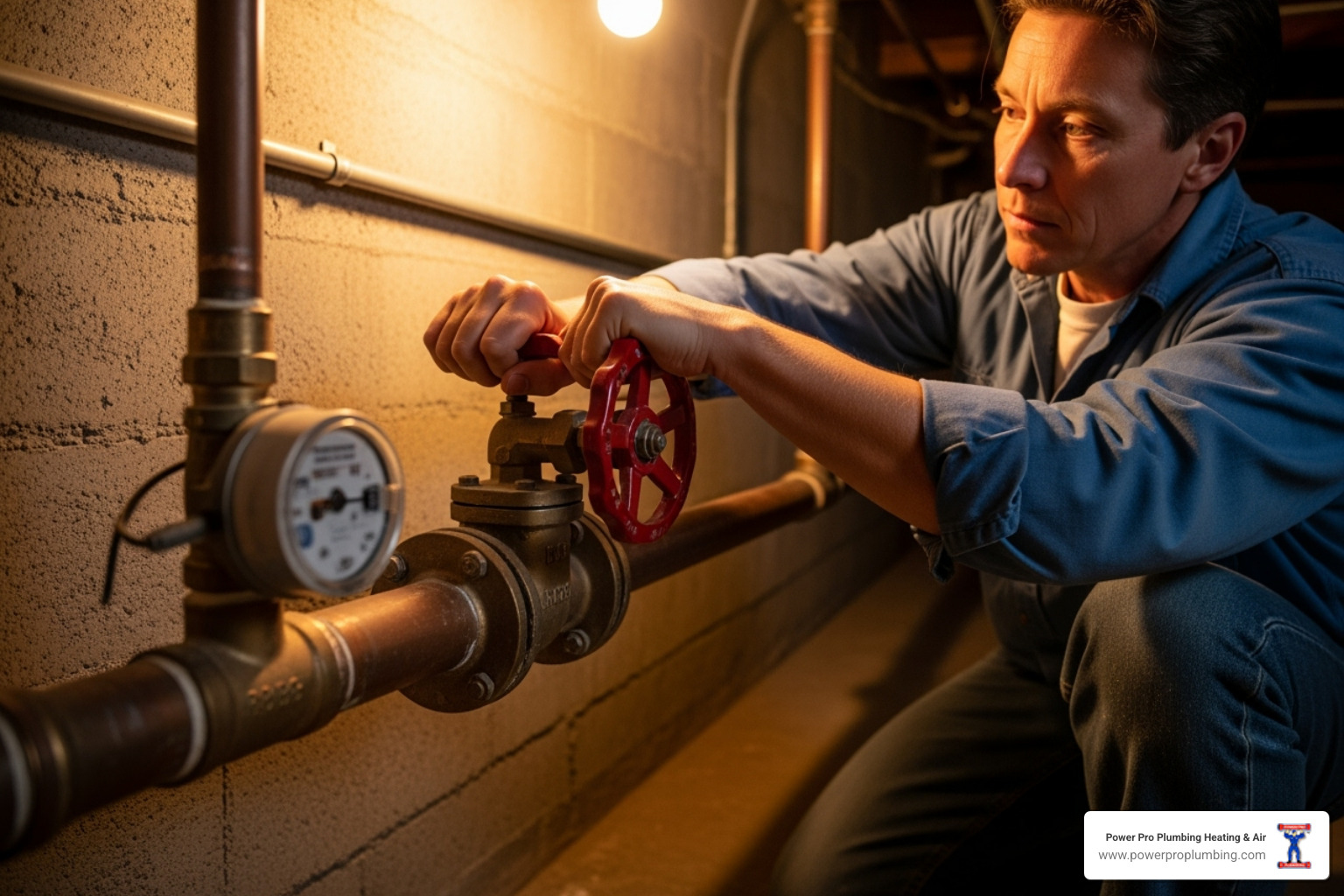
Sediment accumulation can significantly impede performance by insulating the heating element from the water it’s meant to heat. Flushing your system might help temporarily; however, persistent issues point towards inadequate capacity or an aging unit in need of replacement.
Rising Energy Bills
Increased energy bills without any change in usage patterns should raise concerns about your heating system's efficiency. An older or malfunctioning unit typically works harder than necessary to maintain desired temperatures, leading to wasted energy and inflated costs.
Modern hot water tanks offer improved insulation and efficient operation compared to older models. Investing in an upgrade could yield savings on monthly bills while providing consistent performance that meets today's demands.
Leaks and Corrosion
Physical signs like leaks or rust on the exterior surface are serious indicators that it's time for an upgrade. A leaking water heater poses not only a risk of further damage due to flooding but also indicates that corrosion has likely set in—a natural process over time as metal reacts with moisture.
If you notice pooling around the base of your unit or rusty pipes connecting it to your plumbing system, consult a professional immediately for assessment. Ignoring these signs can lead to catastrophic failures requiring emergency intervention.
Technological Advances
Water heater technology continues evolving rapidly with advancements aimed at enhancing efficiency and user convenience. Features such as smart controls allow users to monitor their systems remotely and adjust settings based on usage patterns. These modern conveniences improve overall performance while adapting more effectively to varying demands throughout the day.
If you still rely on an outdated model without these enhancements—like digital displays or Wi-Fi connectivity—you may miss out on significant benefits available today through new installations.
Choosing The Right Replacement System
When deciding on upgrading your hot water system, consider factors like size requirements based on user needs and fuel type compatibility (electricity vs gas). Furthermore:
Evaluate whether traditional tank storage systems suit current demands best versus tankless options offering continuous supply without waiting. Consider energy efficiency ratings (such as Energy Star certification) which reflect potential cost savings over time. Seek professional guidance during installation processes as they ensure optimal configuration tailored specifically for given environments while adhering strictly local codes surrounding installations.Consulting with experts familiar with both residential and commercial installations ensures informed decisions rather than guesswork when selecting replacements suited precisely for unique circumstances at hand!
Conclusion: Making Informed Choices
Recognizing these signs early can save considerable headaches down the line when dealing with inadequate supply issues caused by aging equipment unable meet increasing demands effectively! Assessing factors such age deterioration levels alongside rising expenses related repairs provides clarity regarding whether it's simply time re-evaluate options available replace outdated systems ensuring proper functionality accommodating any lifestyle shifts occurring now into future!
By staying vigilant about these warning signals surrounding performance reliability & safety measures directly influencing comfort levels within homes/businesses alike—individuals take proactive steps towards maintaining consistent access expansion tank repair high-quality reliable sources necessary daily living!